Review: First Grade Retro School Girl Coquette
As a designer who has spent countless hours digitizing and testing embroidery files, I have learned that not every cute graphic translates well to thread. The gap between a digital preview and a stitched reality is where many projects fail. When I first pulled up the First Grade Retro School Girl Coquette design, my initial reaction was one of cautious optimism. The retro aesthetic is currently dominating the handmade market, but executing it in embroidery requires a delicate balance of detail and stitch efficiency. This review breaks down how this specific graphics asset performs when moved from the screen to the hoop, offering practical insights for Etsy sellers, boutique owners, and hobbyists alike.
First Impressions and Visual Mood
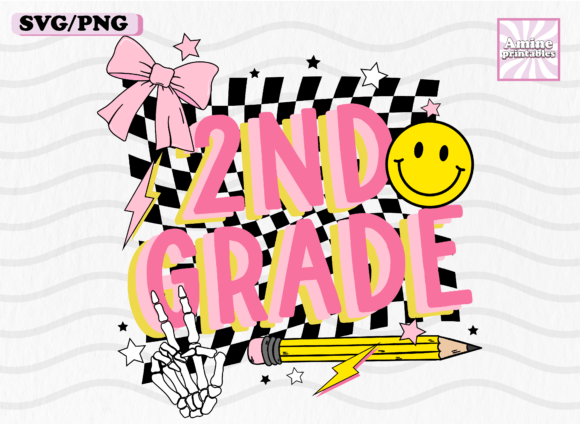
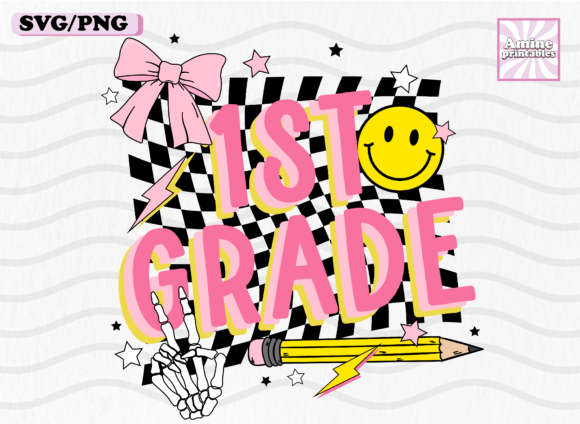
The immediate appeal of the First Grade Retro School Girl Coquette lies in its nostalgic charm. It captures a specific mid-century schoolhouse vibe that resonates deeply with current trends in children’s apparel and teacher gifts. The layout feels balanced, avoiding the cluttered look that often plagues complex retro designs. From a visual standpoint, the coquette elements—likely involving bows, ribbons, or soft feminine accents typical of the style—add a layer of sweetness without overpowering the central theme.
For those of us in the Crafts category, mood is everything. This design exudes warmth and playfulness. It does not scream for attention; rather, it invites a closer look. This subtlety is crucial for high-end finished products. When evaluating the shape and detail level, I noticed that the lines appear clean. In embroidery, clean lines in a digital file usually translate to fewer jumps and trims, which means a faster run time on the machine and a cleaner backside on the garment. However, the true test is always in the stitching.
Real-World Application: The Custom Tote Test
To truly evaluate this design, I imagined a real-life scenario: creating a custom back-to-school tote bag for a local boutique client. The goal was to produce a handmade product that felt premium yet playful. I selected a heavy-weight canvas tote, knowing that the fabric texture would provide a stable base for the stitches.
Using the First Grade Retro School Girl Coquette as the central focal point, I considered the thread colors. A retro palette works best here—think mustard yellows, muted teals, and classic creams. The design performed admirably in this context. The scale was appropriate for a standard tote, neither too small to get lost nor so large that it distorted the bag’s structure. For an Etsy seller, this versatility is a major selling point. The same design could easily transition to a sweatshirt embroidery project for a teacher’s lounge gift or a baby embroidery piece for a nursery decor item.
The visual personality of the design fits seamlessly into the "coquette" trend, which emphasizes femininity and vintage aesthetics. When stitched out, the design maintained its clarity. The details did not merge into a blob, which is a common risk with intricate retro graphics. This clarity boosts customer trust, as the final product looks professional and intentional, not like a cheap mass-produced item.
Technical Considerations for Embroiderers
While the design is visually appealing, technical execution requires attention. Here are the critical factors to consider before loading this digital embroidery file onto your machine.
- Fabric Selection: This design likely relies on a mix of satin stitches and fill stitches. On thin or stretchy fabrics, such as lightweight jersey t-shirts, you must use a high-quality cut-away stabilizer. Without proper support, the fabric may pucker around the denser areas of the design, ruining the smooth retro look.
- Hoop Size and Placement: Always confirm the required hoop size before purchasing. If you are planning to use this on curved surfaces like caps, ensure the design height fits within the cap frame limits. A design that is too tall will distort when stitched on a curved brim.
- Stitch Density: Retro designs can sometimes be dense. Check the stitch count if provided. If the density is high, consider using a lighter weight thread or adjusting the tension slightly to prevent the fabric from becoming stiff. This is particularly important for custom apparel that needs to remain comfortable against the skin.
- Small Details: Inspect the smallest elements of the First Grade Retro School Girl Coquette. Tiny text or fine lines can get lost if the needle size is too large or if the thread color contrast is low. I recommend testing the design on scrap fabric first, specifically in black and white, to check for definition issues.
Commercial Viability and Brand Consistency
For small business owners and creative entrepreneurs, the commercial potential of this design is significant. It fits perfectly into several lucrative niches: back-to-school collections, teacher appreciation gifts, and vintage-inspired children’s wear. Because the design is versatile, it allows for brand consistency across different product lines. You can use the same embroidery project file for tote bag design listings, embroidered patch creations, and even printable mockups for your online store.
However, licensing is paramount. The description notes that you should "Be the FIRST to get it," implying exclusivity or early access, but it does not explicitly state the commercial license terms. Before selling any finished product or using this in commercial embroidery runs, you must verify the license agreement. Can you sell physical items? Can you use it for digital sublimation? These details are often buried in the download folder or the seller’s policy page. Never assume; always confirm.
Where to Use Caution
Not every surface is suitable for this design. Avoid using it on highly textured fabrics like thick wool or terry cloth towels unless you are experienced with topping materials. The fine details may sink into the pile and become invisible. Similarly, be cautious with dark fabrics if the design relies on light thread colors. While contrast is good, ensure that the underlay stitches do not show through, which can happen if the digitizing is not optimized for dark garments.
Additionally, if you are creating items that require frequent washing, such as baby clothes or kitchen towels, ensure that the stitch density is not so high that it compromises the fabric's integrity over time. A well-digitized applique design or a design with strategic running stitches can mitigate this, but always wash-test your samples.
Final Verdict for Designers and Makers
The First Grade Retro School Girl Coquette is a strong contender for your design library. It offers a trendy aesthetic with practical application potential. For the craft business owner, it provides a ready-made asset that appeals to a wide demographic. For the hobbyist, it offers a fun challenge in color selection and fabric pairing.
My advice is to approach this design with a tester’s mindset. Do not skip the sample stitch-out. Use it to create a personalized gift for a friend or a sample for your shop window. Observe how the thread colors interact with the fabric texture. Check the back of the hoop for neatness. If the sample looks clean and the design retains its retro charm after washing, you have a winner. This design is not just a graphic; it is a tool for creating memorable, high-quality handmade items. Just remember to verify those license terms and hoop specifications before you commit to a large production run.