Review: Kindergarten School Dude Pencil Teacher Design
As a designer who has spent years digitizing patterns and testing them on everything from flimsy rayon to heavy denim, I approach every new machine embroidery design with a healthy dose of skepticism. We have all been there: you download a cute graphic, load it onto your hoop, and watch in horror as the thread bunches up or the details vanish into the fabric. That is why I took a close, practical look at the Kindergarten School Dude Pencil Teacher design. This isn’t just about whether it looks good on a screen; it is about how it performs when the needle hits the cloth.
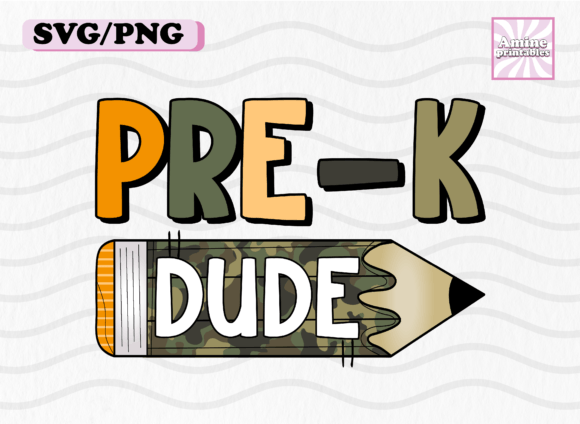
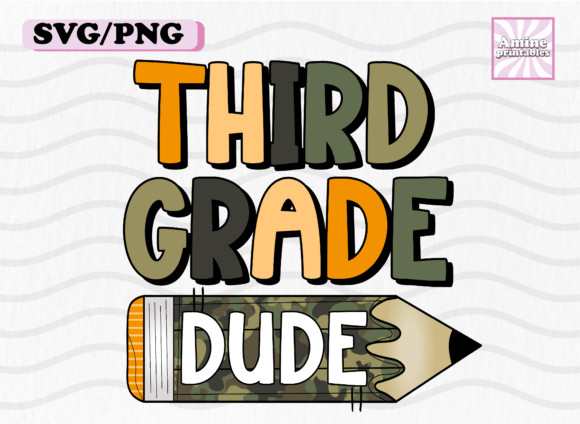
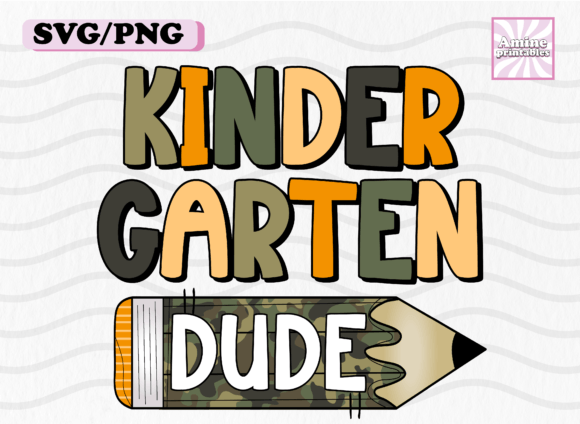
The first impression of this piece is undeniably cheerful. It captures that specific, nostalgic energy of early education without feeling childish in a way that alienates adult buyers. The layout features a prominent pencil motif, which serves as a strong vertical anchor for the design. For those of us in the Crafts and Graphics space, we know that thematic clarity is half the battle. When a customer scrolls through an Etsy seller’s shop, they need to understand the product instantly. This design achieves that. It screams "teacher appreciation" or "back-to-school pride" without needing excessive text to explain itself.
Real-World Application: The Tote Bag Test
To truly evaluate the Kindergarten School Dude Pencil Teacher, I imagined a common scenario for many small business owners: creating a durable, stylish tote bag for a local educator. Tote bags are tricky. They are often made of canvas or cotton blends that can pucker if the stitch density is too high, yet they require enough coverage to look professional.
In this context, the design shines because of its balanced composition. The pencil element likely utilizes a combination of fill stitch for the body and satin stitch for the edges or eraser details. This mix provides texture and visual interest without creating a stiff, cardboard-like patch on the fabric. If you are producing this as a handmade product, the visual weight of the pencil allows it to stand out against the neutral tones of typical tote materials. It transforms a simple bag into a personalized gift that feels thoughtful and custom-made, rather than mass-produced.
Versatility Across Product Lines
One of the strongest assets of this embroidery file is its adaptability. While it is marketed broadly, its true value lies in how well it translates across different mediums. Consider sweatshirt embroidery. Here, the loft of the fleece can sometimes swallow small details. However, because the core theme relies on bold shapes—the pencil shaft, the tip, and the accompanying text or character elements—it maintains its integrity even on textured fabrics.
For custom apparel like t-shirts, the design works equally well, provided you use the correct stabilizer. A cut-away stabilizer is usually my go-to for garments that will be washed frequently, ensuring the design doesn’t distort over time. This makes it an excellent candidate for commercial embroidery projects where durability is just as important as aesthetics. Whether you are stocking a small shop product line or fulfilling a bulk order for a school faculty, the consistency of the output is key.
Beyond apparel, think about embroidered patch creation. Patches are trending heavily in the maker community. This design’s contained shape makes it ideal for a merrowed edge or a simple satin border. It becomes a collectible item for teachers, adding another revenue stream for your craft business. Even in digital applications, such as creating printable mockup assets for your online store, the clean lines of the Kindergarten School Dude Pencil Teacher render beautifully, helping customers visualize the final result before they buy.
Technical Considerations and Pitfalls
However, no design is without its challenges. As an experienced reviewer, I must point out where caution is needed. If you plan to use this on baby embroidery items, such as onesies or bibs, pay close attention to the scale. Baby fabrics are delicate and stretchy. You may need to resize the design to fit a smaller hoop size, which could impact the readability of any finer details. Always test on scrap fabric first. What looks crisp on a 5x7 hoop might become muddy if scaled down too aggressively for a 4x4 hoop.
Another critical factor is thread colors. The success of this design relies heavily on contrast. If you are stitching on a dark fabric, ensure your pencil yellow is bright and vibrant. On light fabrics, consider using a darker outline or shadow effect if the design permits, to prevent it from washing out. The interplay between the running stitch details and the heavier fills must be balanced. If the digitizer has packed too many stitches into the pencil tip, for example, it could cause thread breaks or bird-nesting on slower machines.
Also, consider the surface curvature. If you are applying this to caps or curved hats, the center of the design needs to be perfectly aligned. The vertical nature of the pencil helps here, as it naturally draws the eye up and down, but misalignment will be obvious. Always use a proper topping if you are working with textured towels or fuzzy blankets to keep the stitches sitting on top of the fibers rather than sinking in.
Enhancing Brand Value and Customer Trust
From a business perspective, using high-quality design assets like the Kindergarten School Dude Pencil Teacher directly impacts your brand perception. When a customer receives a finished product that is neat, well-stitched, and visually appealing, their trust in your brand grows. This design supports that by offering a professional look that doesn’t require hours of troubleshooting.
For holiday embroidery seasons, such as Back-to-School or Teacher Appreciation Week, having a reliable, ready-to-stitch design allows you to scale your production. You aren’t wasting time fixing digitizing errors; you are focusing on presentation and packaging. This efficiency is crucial for maintaining profitability in a competitive market. Furthermore, the playful yet respectful tone of the design appeals to a wide demographic, from young kindergarten aides to veteran educators, broadening your potential customer base.
Final Verdict and Practical Advice
Before you commit to a large run, treat this like any other professional project. Check the license terms. The description notes it is suitable for various uses, but always confirm if it covers commercial sales of physical items versus digital redistribution. Be the FIRST to get it, but also be the smartest in how you apply it.
My advice is to start with a single sample on the fabric you intend to sell. Check the tension, inspect the back for excessive jumping threads, and wash the sample to see how it holds up. If the applique design elements are present, ensure the tack-down stitches are secure. If it is purely embroidered, verify that the stitch density doesn’t make the fabric stiff.
In conclusion, the Kindergarten School Dude Pencil Teacher is a solid addition to any designer’s library. It balances whimsy with technical feasibility, making it a versatile choice for tote bag design, custom apparel, and boutique merchandise. By respecting the technical requirements of embroidery and understanding your fabric choices, you can turn this digital file into a best-selling physical product. It is a reminder that in our industry, the best designs are those that not only look good but also stitch well, day after day.