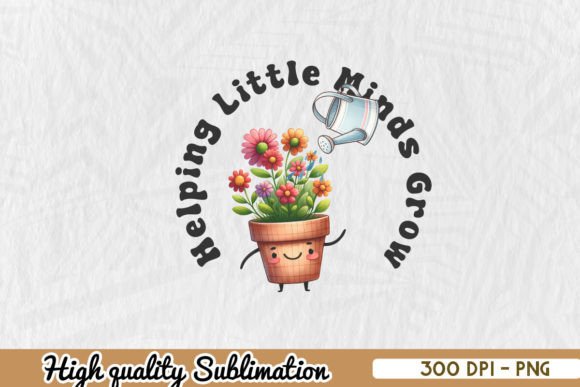
Review: Little Minds Grow First Day Design
As a designer who has spent countless hours digitizing and testing embroidery patterns, I approach every new machine embroidery design with a mix of curiosity and skepticism. We have all seen designs that look stunning on a screen but turn into a tangled mess of thread breaks and puckering once they hit the fabric. When I first pulled up the files for Little Minds Grow First Day of School, my immediate goal was to determine if this graphic held up under the mechanical stress of a needle or if it was merely a pretty picture meant for paper.
The theme is undeniably charming. "Little Minds Grow" speaks directly to the heart of parents, teachers, and gift-givers preparing for that milestone moment. But charm alone does not make a viable embroidery project. I needed to know how the layout would translate to texture, how the lines would behave in satin versus fill stitches, and whether this asset could genuinely support a small business owner’s reputation for quality.
First Impressions and Visual Personality
The initial visual impact of Little Minds Grow First Day of School is warm and inviting. It avoids the overly complex shading that often plagues digital graphics intended for print, which is a relief for us stitchers. The shapes appear clean, suggesting that the original vector paths were well-constructed. For an applique design or a standard stitch-out, this clarity is crucial. Complex gradients do not translate well to thread; solid shapes and clear boundaries do.
I imagined this design sitting on a canvas tote bag or a soft cotton sweatshirt. The mood it creates is one of gentle encouragement and celebration. It is not loud or aggressive, which makes it versatile. However, as a reviewer, I look past the sentiment to the structure. Are there tiny, isolated elements that might snag? Is the text legible at smaller sizes? These are the questions that separate a hobbyist’s experiment from a professional crafts product.
Real-World Application: The Tote Bag Test
To truly evaluate this design, I mentally walked through a common scenario for an Etsy seller: creating a custom back-to-school tote bag. This is a high-demand item in late summer. I selected a medium-weight canvas fabric, paired it with a cut-away stabilizer to prevent distortion, and chose a contrasting thread color for visibility.
In this context, Little Minds Grow First Day of School performs admirably. The design’s proportions fit well within a standard 5x7 or 6x10 hoop, allowing for a substantial presence on the bag without overwhelming the material. The spacing between elements suggests that the stitch density is managed well, reducing the risk of the fabric pulling or puckering—a common nightmare for beginners. If you are producing these as small shop products, consistency is key, and this design appears stable enough to reproduce repeatedly without significant variation.
Versatility Across Product Lines
Beyond tote bags, this graphic has strong potential in several other categories. For baby embroidery, scaling it down for a onesie or a burp cloth requires careful attention. While the concept is perfect for nursery decor or baby items, you must verify the minimum legible size. Tiny lettering can become unreadable if scaled too small, turning a sweet message into a blur of thread. I recommend testing a sample at your smallest intended size on scrap fabric before committing to a final personalized gift.
For sweatshirt embroidery, the design offers a great balance. It is detailed enough to look premium but not so dense that it creates a stiff, uncomfortable patch on the chest or back. This comfort factor is vital for customer satisfaction. Additionally, the theme lends itself beautifully to holiday embroidery projects later in the year, such as teacher appreciation gifts or end-of-year celebrations, extending the commercial life of the file beyond August.
Technical Considerations and Fabric Choices
No design is universal, and Little Minds Grow First Day of School is no exception. While it works well on stable fabrics like cotton, linen, and canvas, caution is advised when using it on stretchy materials or thin synthetics. Without proper stabilization, even a well-digitized design can distort. If you are working with textured fabrics, such as terry cloth towels or fuzzy fleece, the finer details might get lost. In those cases, simplifying the stitch types or increasing the size slightly can help maintain clarity.
Dark fabrics present another challenge. If you plan to use this on navy or black garments, you will need to ensure high contrast in your thread colors. A light-colored thread on dark fabric highlights any imperfections in tension or registration. I always advise running a test stitch-out on the actual garment fabric, not just a similar scrap, to check for pull and coverage. This step is non-negotiable for maintaining professionalism in commercial embroidery.
Commercial Viability and Brand Consistency
For digital product sellers and craft business owners, the value of a design lies in its ability to enhance brand perception. A clean, well-executed embroidery signals quality. Little Minds Grow First Day of School contributes positively to this image. It feels thoughtful and curated, rather than mass-produced. When customers receive a finished product featuring this design, they are likely to perceive it as a high-value item, which supports higher price points and better reviews.
However, before listing items for sale, you must confirm the licensing terms. The description mentions "High quality files" and ease of use for various projects, but it does not explicitly detail commercial rights for the embroidery file itself. Always verify whether the license allows for selling physical finished goods or if it is restricted to personal use. This due diligence protects your business from legal issues and ensures ethical practice.
Final Designer Notes
Before you launch your next production run, keep these practical tips in mind:
- Test on Scrap Fabric: Always stitch a sample on the same type of fabric you intend to use for the final product.
- Check Stabilizer: Use the appropriate stabilizer for your fabric weight. Cut-away for knits, tear-away for wovens.
- Review Stitch Density: If the design feels too stiff after stitching, consider adjusting the density settings in your software if you have the editable file, or choose a lighter fabric.
- Contrast Matters: Ensure your thread colors stand out against the fabric background for maximum readability.
- Verify Licensing: Confirm that you have the right to sell items made with this design if you are operating a business.
In conclusion, Little Minds Grow First Day of School is a strong contender for your seasonal collection. It balances aesthetic appeal with technical practicality, making it suitable for a wide range of handmade products. With proper preparation and attention to fabric choice, it can become a staple in your portfolio of design assets, helping you create memorable, high-quality items for your customers.